
My husband Zanlin and I didn’t have one wedding. We had three: a civil ceremony held online during the pandemic, a Burmese wedding honoring his culture, and a white-dress celebration with Jewish traditions honoring mine.
I’ve coordinated weddings for years. But planning our own, three times over, taught me things about families, cultures and compromise that no job ever had. Here’s what each celebration was like, and what I’d tell any couple bringing two worlds together.
Wedding #1: The Civil Ceremony (Online, Masked, and Unexpectedly Emotional)
I didn’t expect our civil ceremony to be emotional. It was an online wedding, and the officiant on the other end of the screen was still wearing a mask!
The pandemic did make one thing easier: because everything was online, getting an appointment was simple. We recorded the ceremony from different angles, and I still wore a white blouse for the occasion. Partway through the day, my cousin drove by to drop off our very first wedding gift.
It was small and a little unusual, but it was ours. That was the moment we became legally married, and it meant more than I thought it would.
Wedding #2: The Burmese Wedding (A Learning Curve in the Best Way)
Zanlin is a middle son, but he was the first of his brothers to get married. So our Burmese wedding was a celebration for his parents, too. They hosted it and invited the family and friends they wanted to share the day with. We built a small platform to use as a stage, and monks came to bless us.
This one was a real learning curve. It had been a while since anyone in Zanlin’s family had planned a Burmese ceremony, and most of my wedding experience didn’t apply. So we did a lot of listening. We heard each other out, looked at examples online, and asked how and why things are done a certain way.
During the ceremony, a string was tied around the two of us seven times, binding us together as a couple. That number came up again later, which I’ll get to in a moment.
Wedding #3: The White-Dress Wedding (Our Wedding, Our Guest List)
Our third celebration had a rabbi and a ketubah (a Jewish marriage contract) that I designed myself. It was the wedding we planned entirely for ourselves, with our own guest list of close relatives and friends.
This is where I noticed how much our traditions had in common. In many Jewish weddings, the bride circles the groom seven times under the chuppah. Seven stands for completeness, like the seven days of creation, and the circles are often described as building the walls of the couple’s new home together. It was the same number as the string at our Burmese ceremony. Two very different traditions, both marking the start of a marriage with seven.
I had a few rules going in. I didn’t want to get married at a venue I’d worked at. I didn’t want to know what went on behind the scenes. And I didn’t want it to look like just another Pinterest wedding. I wanted it to look like us.
Our theme was our new last name, Oo, shown as two linked rings. That meant a lot of DIY:
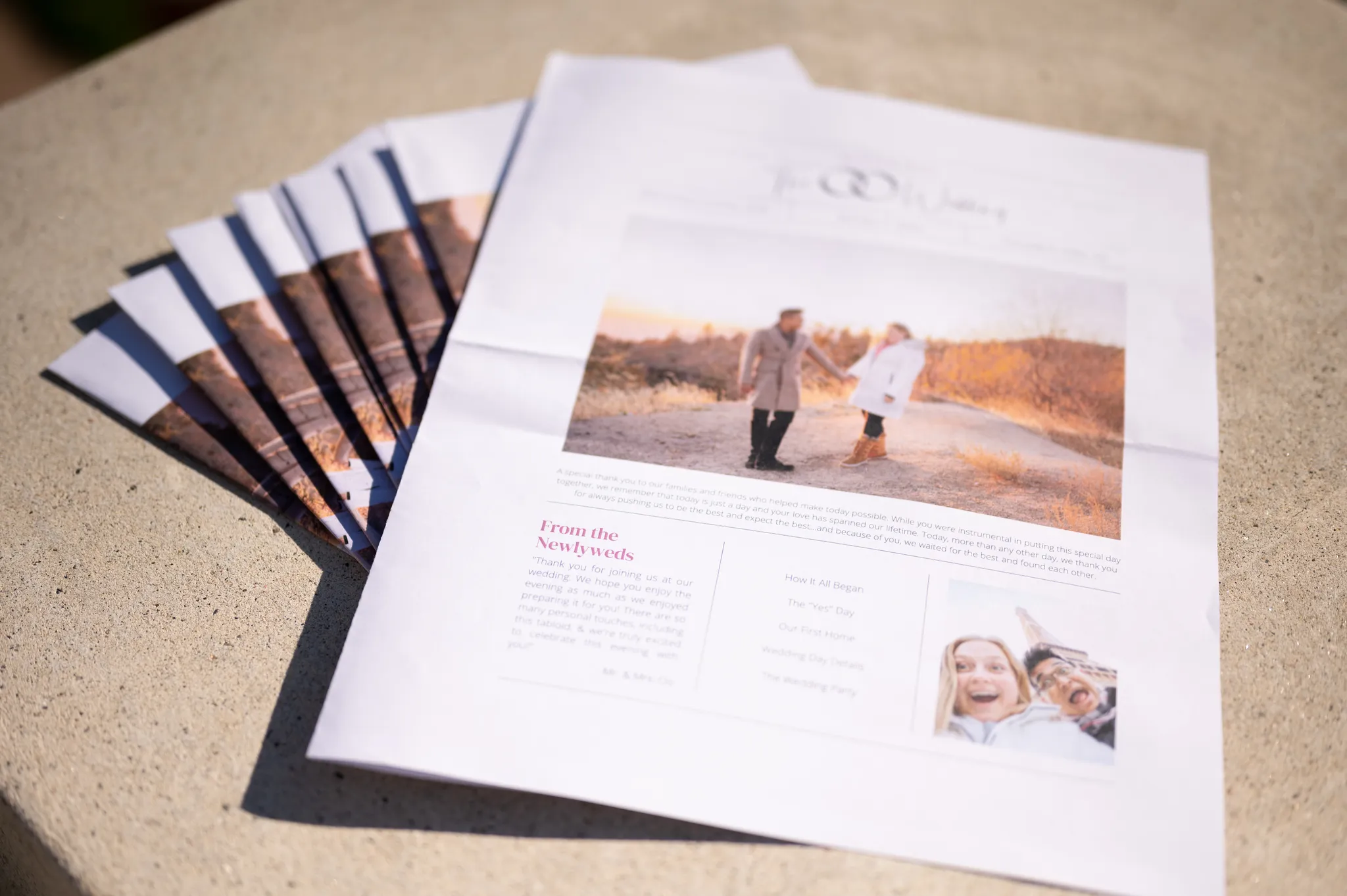
- A custom newspaper that told our story, illustrated with photos from the engagement shoot we did ourselves
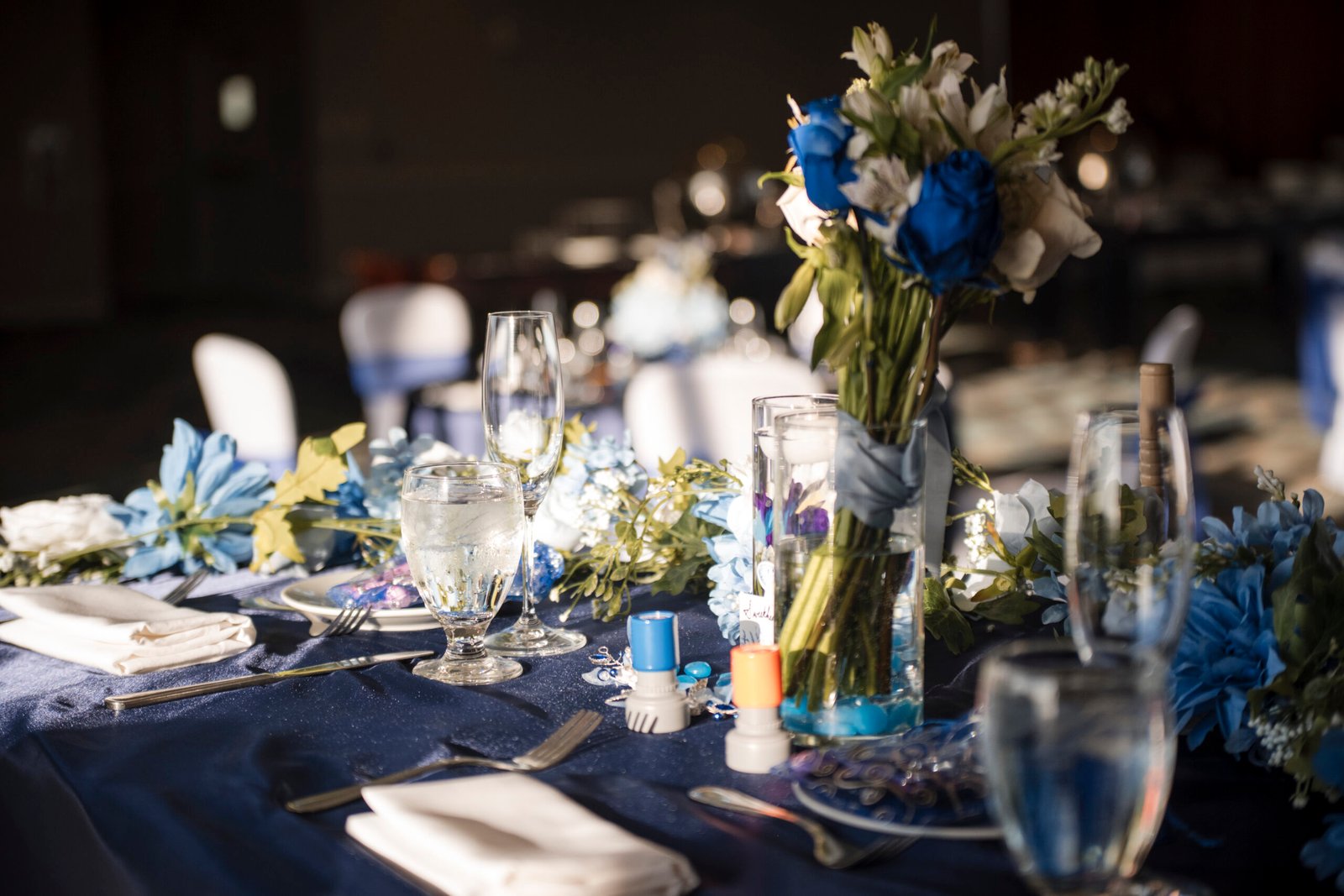
- 3D-printed, handmade, rotating centerpieces, each with two rings to carry the Oo name, because we wanted it to be high-tech and handmade
- A ceremony backdrop of origami cranes with two rings spelling “Oo” worked into it, subtle but noticeable once you spotted it
The cranes were Zanlin’s job. He folded so many that we had plenty left over, so we donated the extras to children at a hospital to spread a little more joy.
Those two rings stayed with me long after the wedding. When I started Kristina Oo Events, they became my logo. They stand for our last name and for the day we celebrated it. Two rings, linked together, are also a simple picture of what every wedding is about: two people, and often two families and two cultures, becoming one. Every time I send a proposal or show up at a venue, I carry a little piece of our wedding with me.
It was the biggest project we’d taken on together. We each had our own tasks and opinions. People often ask whether I planned everything myself. Maybe mostly, sure! But I made a point of asking Zanlin for his input along the way, so both of our choices were part of the day.
It wasn’t all smooth sailing. We planned during the pandemic, so guests canceled at the last minute. I spent part of my hair appointment on my laptop, updating our coordinator and the venue on guest count changes. Then the venue called to say the waterfall we’d planned our photos around was broken. The photos still came out beautifully, and the night was amazing.
What Three Weddings Taught Me (and What I Tell My Couples)
1. More than one celebration can make each one more personal.
Because Zanlin’s parents hosted the Burmese wedding and invited who they wanted, everyone who wanted to celebrate with us had an event to attend. That let our last celebration be small and close: our wedding, with our guest list. If your families’ guest lists are pulling you in different directions, separate events can ease that without anyone feeling left out.
2. Take your mothers to the tasting.
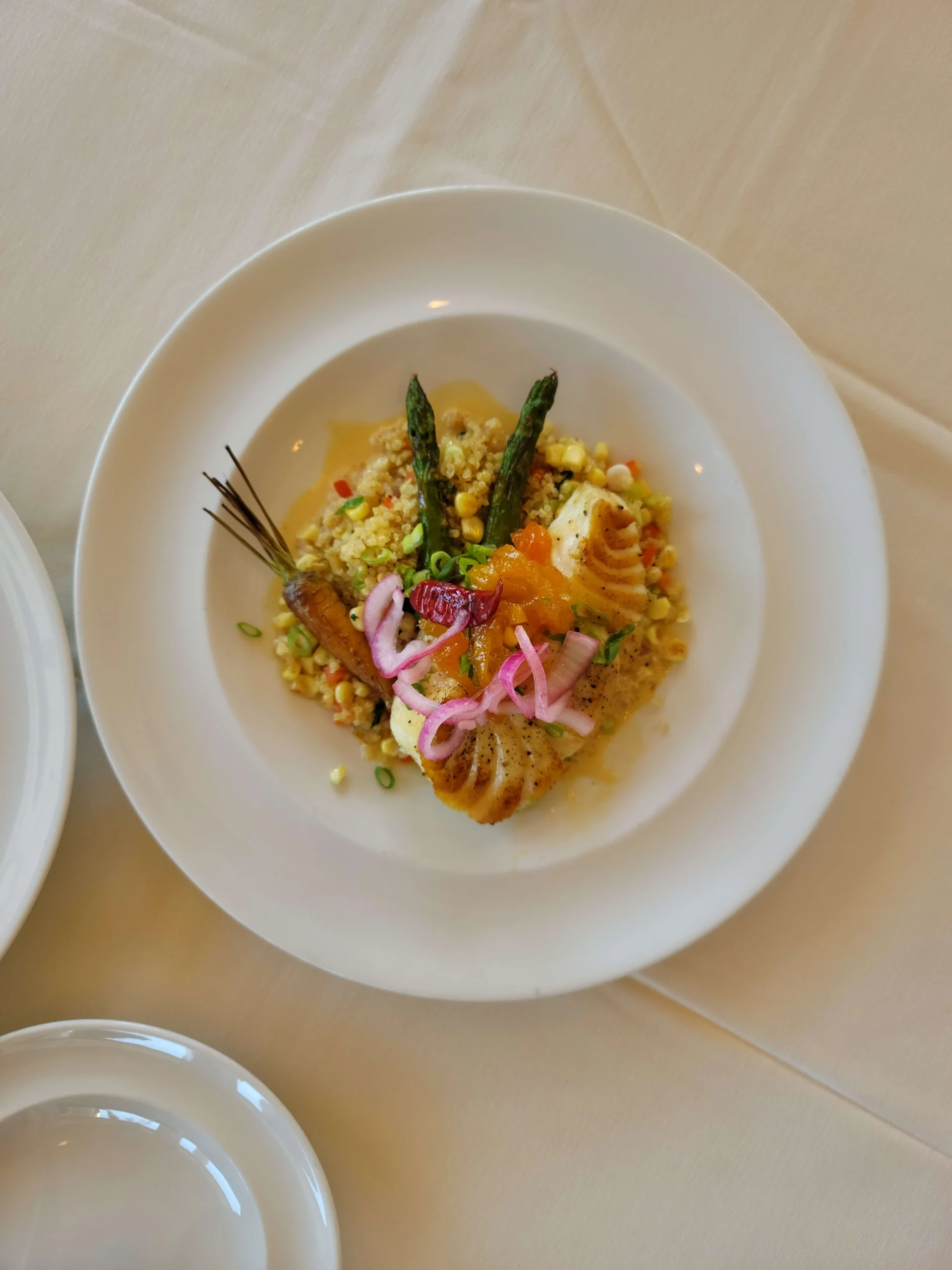
Our families let us plan the way we wanted, apart from the occasional request for “just a few more invites.” The hardest part was the food: we wanted everyone to enjoy their meal. Our venue allowed four people at the tasting, so we each brought our mom. It was the best way to make sure the menu worked for everyone. It was also fun to show them the venue early and walk them through our vision.
3. Ask how and why, and listen to the answer.
When you’re honoring a culture that isn’t your own, or one your family hasn’t celebrated in a while, curiosity goes a long way. Ask the elders. Look at examples. Understand the meaning before you decide what to keep.
4. Look for what your traditions have in common.
I expected our two cultures to feel separate. Instead, we found the number seven in both ceremonies. Looking for those similarities can turn “his traditions and her traditions” into your traditions.
5. Plan together, even if one of you leads.
One partner usually does more of the planning, and that’s okay. Give each person their own jobs (Zanlin’s was the cranes!) and keep checking in, so that the day reflects both of you.
6. Make it look like you.
Skip the Pinterest copy. Find a theme that means something to you. Ours was our shared last name. Your wedding should make your guests say, “That is so them.”
7. The day goes fast, so enjoy it.
As a coordinator, a wedding day can feel long. As a bride, it flew by. I loved celebrating three times, but I’ll admit I was also happy to get our home back from all the crafting! And it wasn’t until the last event was over that we finally felt the relief of being married.
Planning Your Own Multicultural Celebration?
The two rings in my logo started as our wedding theme. Now they’re a reminder of what I help every couple create: a celebration where two people, two families and sometimes two cultures come together as one.
Whether you’re blending two cultures, two families or two very different visions, I’ve been there myself. I’d love to help you plan a celebration that honors where you both come from and feels like the two of you.